4 hr
Private Giza Pyramids Tour with Sphinx & Camel Ride
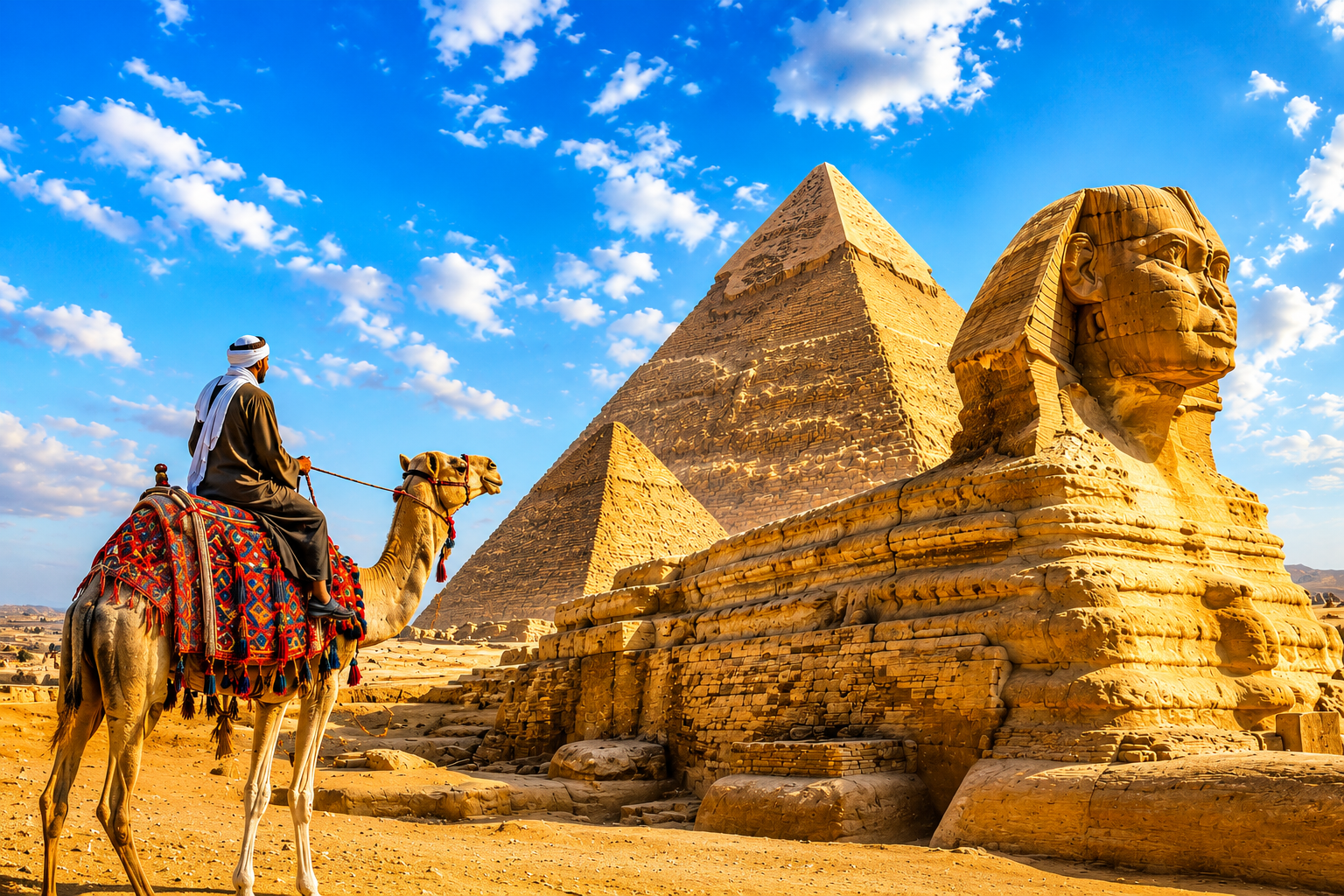
Explore Egypt's most legendary monuments with an Egyptologist guide, plus a camel trek across the sands
Reserve
Hand-picked by our editors — only the best 5 private experiences from 120 reviewed.
Verified partners for every tour, free cancellation where available, and instant confirmation on every booking.
4 hr
Explore Egypt's most legendary monuments with an Egyptologist guide, plus a camel trek across the sands
Reserve
6 hr
Explore ancient Egypt's most iconic monuments with an expert Egyptologist guide in comfort
Reserve
8 hr
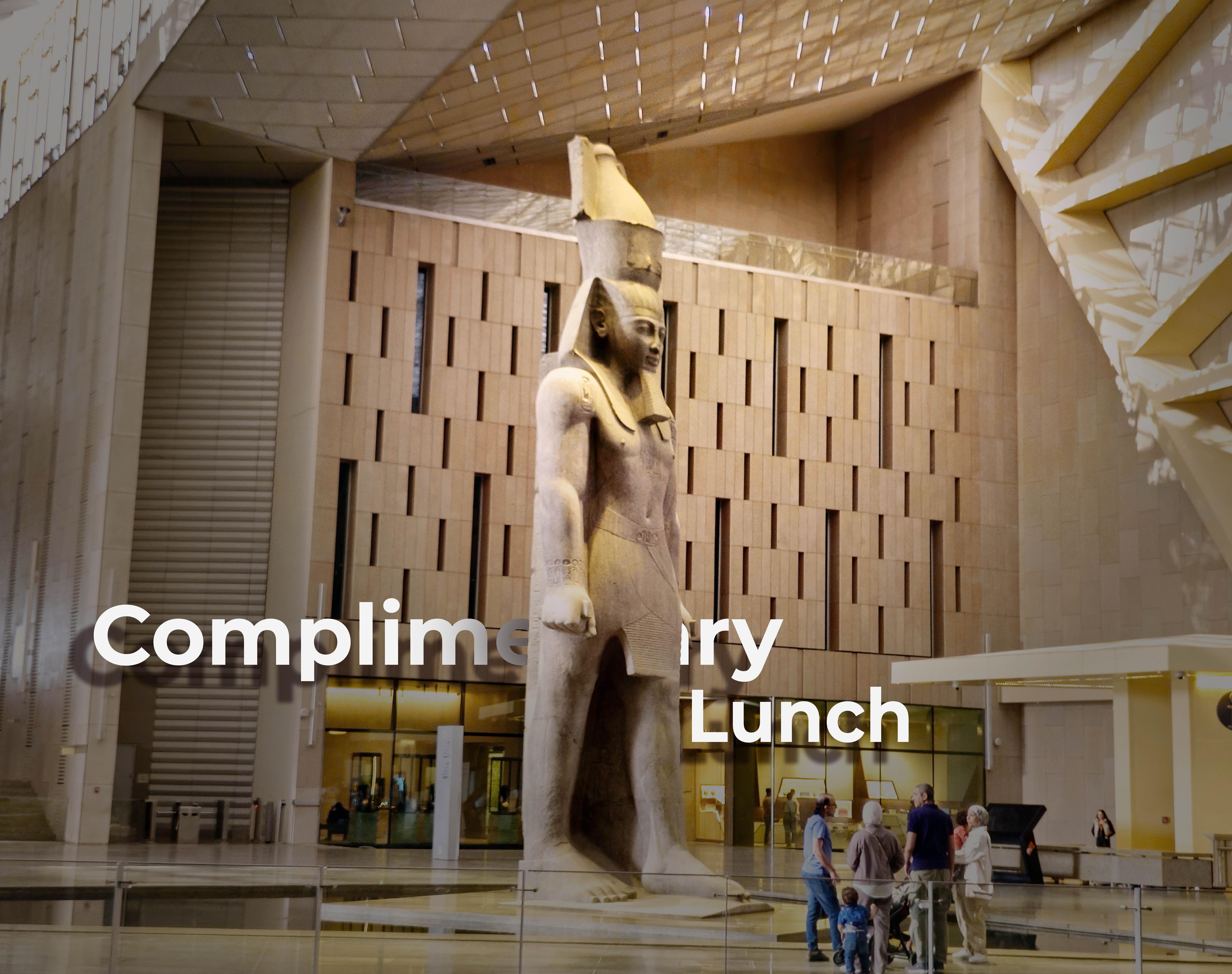
Discover ancient wonders with an Egyptologist guide: pyramids, Sphinx, and the world's largest archaeological museum
ReservePrices from verified partners. Availability updates in real time at checkout. Free cancellation policies apply where shown.
The landmarks, rooms, and views travelers on this tour remember — all visible on a single visit.
The oldest and largest of the Giza monuments, standing as the only surviving Wonder of the Ancient World.
A colossal limestone statue with a lion's body and human face, guarding the necropolis for millennia.
Identifiable by the original casing stones remaining at its apex, showcasing ancient construction precision.
The smallest of the three major pyramids, yet it houses unique interior burial chambers.
An incredibly well-preserved structure once linked to the pyramid by a ceremonial causeway.
They complement each other, though most visitors who do both call the guided experience the more insightful method for engaging with these Giza landmarks. Selecting a cairo pyramids private tour tour ensures professional logistical management, whereas independent access offers total personal autonomy.
| Feature | Top pick Private Tour | Independent Access |
|---|---|---|
Logistical Support |
Dedicated guide and transport | Self-navigated itinerary |
Historical Context |
In-depth expert narratives | Visitor-led research |
Flexibility |
Structured by pre-set plans | Spontaneous pace adjustment |
Cost Structure |
Inclusive premium pricing | Base gate entry only |
Crowd Navigation |
Strategic pathing by guide | Self-managed timing |
Duration |
4–6 hours scheduled | Unlimited plateau time |
| See tickets → |
Verdict: Those seeking skip-the-line comfort prefer a cairo pyramids private tour, while explorers prioritizing budget and individual discovery lean toward independent cairo pyramids private tour tickets or cairo pyramids private tour tours.
Choose your ticket, select your date, and reserve in under two minutes. Secure checkout handled by our verified partner.
Instant confirmation by email, with a mobile voucher you can save offline. No printing, no queuing at a collection desk.
Arrive at the entrance, show your voucher on your phone, and walk in. Most tickets include priority or skip-the-line access.
Practical details for your visit straight from our verified partners — hours, access, rules, and how to get there.
Wear light, breathable clothing and sturdy, closed-toe walking shoes to manage sandy and uneven desert terrain. Modest attire is recommended as a courtesy when exploring the Giza Pyramid Complex.
Small backpacks are permitted, but expect security screenings at the gates. Avoid bringing large suitcases or unnecessary valuables on your cairo pyramids private tour.
Personal photography is free outdoors. Professional equipment, including large tripods, may require special permits or additional fees.
While the main plateau paths of the Giza Pyramid Complex are accessible, the interiors of the monuments involve steep, narrow passages that are not wheelchair friendly.
The Giza Pyramid Complex is a sprawling outdoor site suitable for children; however, parents should monitor young ones closely near camel ride staging areas and steep terrain.
Carry at least 1–2 liters of water per person, as hydration is vital during your cairo pyramids private tour. Food options are limited to cafes near the plateau entrances.
Best time to go, insider tips, nearby landmarks, and the cancellation fine print — flip through to skim what matters to you.
Flexible, no hidden fees.
Full refunds are typically available for bookings cancelled at least 24 hours in advance. Entrance fees of 700 EGP per person for the Giza Pyramid Complex are non-refundable once processed.
The Great Pyramid of Khufu held the record as the tallest human-made structure for 3,800 years, its original 146.5-metre height unmatched until Lincoln Cathedral claimed the title in 1311. Built around 2560 BCE during the Fourth Dynasty, it required an estimated 2.3 million limestone blocks, each averaging 2.5 tonnes, quarried from the Mokattam Formation and ferried across the Nile during the annual inundation. Pharaoh Khufu's architects achieved a base error of less than 58 millimetres across a 230-metre span, aligning the structure to true north with precision that modern surveyors still debate. Today, the Giza Plateau draws more than fourteen million visitors annually, yet a Cairo pyramids private tour unlocks access most group itineraries skip: the Solar Boat Museum, the narrow descending passage into Khufu's burial chamber, and early-morning light across the Sphinx's leonine body before tour buses arrive. The site opens at 07:00, and independent Egyptologists report that the first ninety minutes offer both cooler temperatures and unobstructed sight lines across all three pyramids — Khufu, Khafre and Menkaure — rising from the desert in perfect diagonal alignment. The 700 EGP plateau admission grants entry to the exterior courts, though interior pyramid access and the Solar Boat Museum require separate tickets purchased on-site. Khafre's pyramid, though nine metres shorter than Khufu's, retains its smooth Tura limestone casing near the apex, offering a glimpse of the polished white surface that once covered all three monuments. The Great Sphinx, carved from a single limestone outcrop, stretches 73 metres from paw to tail and bears a face scholars now attribute to Khafre himself, based on stylistic analysis of the nemes headdress and the causeway that links the Sphinx temple directly to Khafre's valley temple. Between the Sphinx's paws lies the Dream Stele, installed by Thutmose IV in 1401 BCE, recounting the young prince's promise to clear the sand in exchange for the throne — an inscription that confirms the Sphinx was already ancient, and buried to its neck, fourteen centuries after its creation. Private excursion options across the plateau now include dedicated Egyptologist-led routes through the Western Cemetery's mastaba tombs, where Fourth Dynasty nobles rest beneath painted reliefs showing daily life along the Nile, and camel circuits around the plateau perimeter that frame all three pyramids in a single westward view. The surrounding Giza Necropolis spans 160 hectares, its subsidiary pyramids, boat pits and workers' quarters offering archaeological evidence of the 20,000-person labour force that sustained construction over Khufu's 23-year reign.
"The Great Pyramid held the height record for thirty-eight centuries, its limestone casing polished to a mirror finish that reflected sunlight across the delta."
A step-by-step walkthrough of the visit — what you'll see, how long each stage takes, and the details that matter.
You meet your guide outside the plateau entrance at 07:00, the air still cool, the ticket hall quiet. The admission fee — 700 EGP per person — is settled quickly, and you pass through the turnstiles as the first sunlight strikes Khufu's eastern face. Your Egyptologist leads you straight to the Great Pyramid's northern entrance, where a narrow descending corridor drops 26 degrees into the bedrock. You crouch and move slowly, the walls close, the air dry and still. The Grand Gallery opens above you, its corbelled limestone ceiling soaring nine metres, each block cantilevered inward by seven centimetres. At the top, the King's Chamber waits: bare granite walls, a lidless sarcophagus, and a silence that feels geological. Outside again, you walk south toward Khafre's pyramid, pausing at the causeway that links the valley temple to the Sphinx. The limestone colossus stretches seventy-three metres in front of you, its eroded face still commanding, the Dream Stele just visible between its outstretched paws. Your guide explains the restoration work — Roman, Mamluk, and modern — that has kept the Sphinx standing through twenty-five centuries of sand and wind. A camel handler waits near the panorama point, and you ride west across the plateau, the three pyramids framed against the desert, the city's high-rises a pale line on the eastern horizon. By 09:30 the tour buses arrive, and you are already descending back toward the gate.
The Giza Pyramid Complex is open daily from 07:00–16:00.
Yes, the Giza Pyramid Complex maintains operations seven days a week.
General plateau admission is 700 EGP per person, excluding pyramid interiors.
We recommend arriving between 07:00–09:00 to avoid mid-day heat and large tour bus crowds.
Yes, many private excursions include camel rides; verify your specific cairo pyramids private tour itinerary for details.
Prohibited items include weapons, drones, and large suitcases; consult the site security rules before your cairo pyramids private tour.
Yes, mobile phone photography is free at the Giza Pyramid Complex, though interior photography is restricted.
The plateau is partially accessible, though the Giza Pyramid Complex has uneven ground unsuitable for wheelchairs.
Yes, families are welcome, but be prepared for the expansive and hot nature of the Giza Pyramid Complex.